Why we behave the way we behave
The cognitive views of motivation stress that human behavior is influenced by people’s beliefs and expectations about themselves and their environment.
This perspective is composed of several theories:
a. Expectancy – value theory
How do I perform what is expected of me? I am expected to be a daughter, a wife, or a teacher. Hence, I need to be this.
b. Self-efficacy theory
“I believe I can; therefore, I can.” “I believe I am; hence, I am.” These are the mantras under the self-efficacy theory.
c. Goal orientation theory
I have this long-term goal. I want to go through this challenge so I can achieve my long-term goal. This kind of a motivation promotes mastery learning and gives a deeper encouragement compared to a performance-based goal.
d. Attribution theory
What is the reason of my failure? What do I need to do or to change to succeed next time?
When we seek explanation for the outcome of what we do, we are humbling our self. We acknowledge that we are not perfect, and we need to improve. This kind of a motivation gives more positive learning results.
e. Self-determination theory
Man has a natural basic need for competence, autonomy, and relatedness.
When the expectations from us are clear, we tend to become more motivated to accept challenges.
When we are given choices and the freedom to choose, we tend to become more motivated to move.
When we are involved and when we feel guided, we tend to become more motivated to commit.
f. Self-worth theory
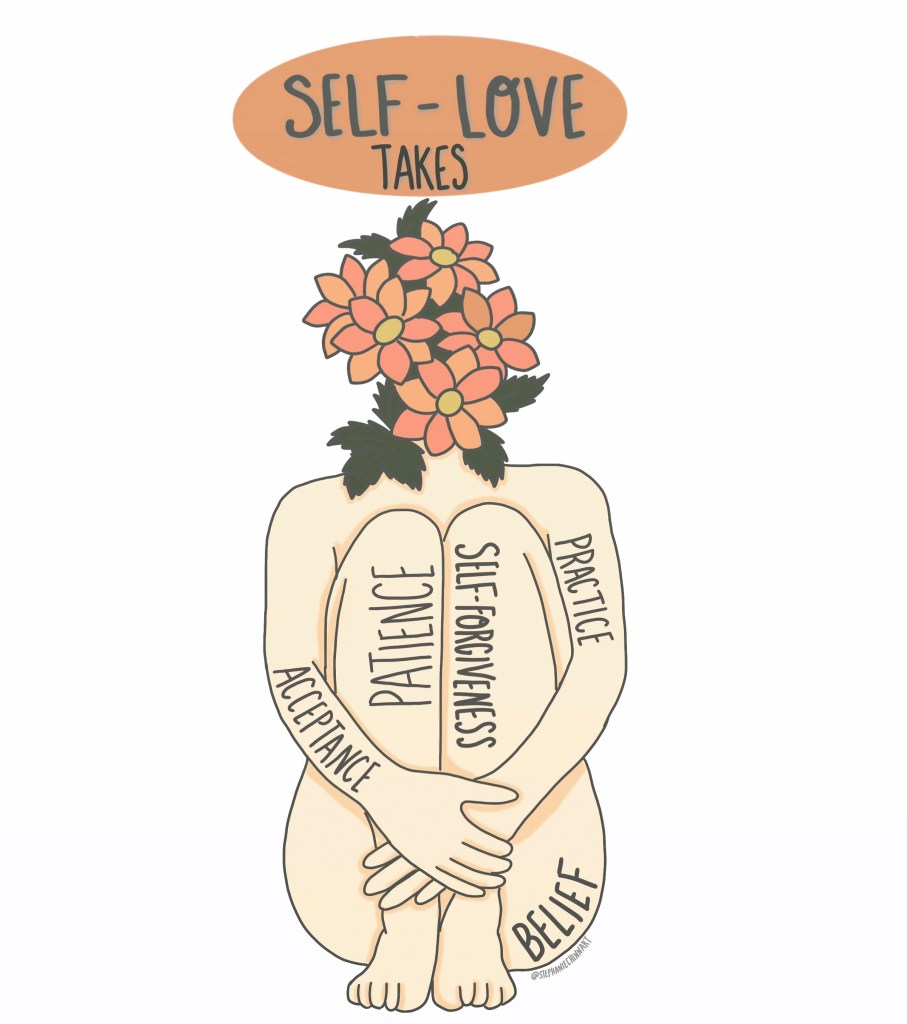
When we realize that we do not need to prove anything to anyone just to have this sense of self-worth, we embrace the freedom to be, to live, and to deeply breathe peacefully. Our mind becomes clearer about how we want to write the story of our life—the characters that we want to include; the settings that we want to be in; the standards that we want to keep; the morals that we want to share from generations to generations; and, all the plot twists that we want to record because these twists—failures, disappointments, and pain—have taught us things more valuable than temporary self-gratifications.
 Better Teachers